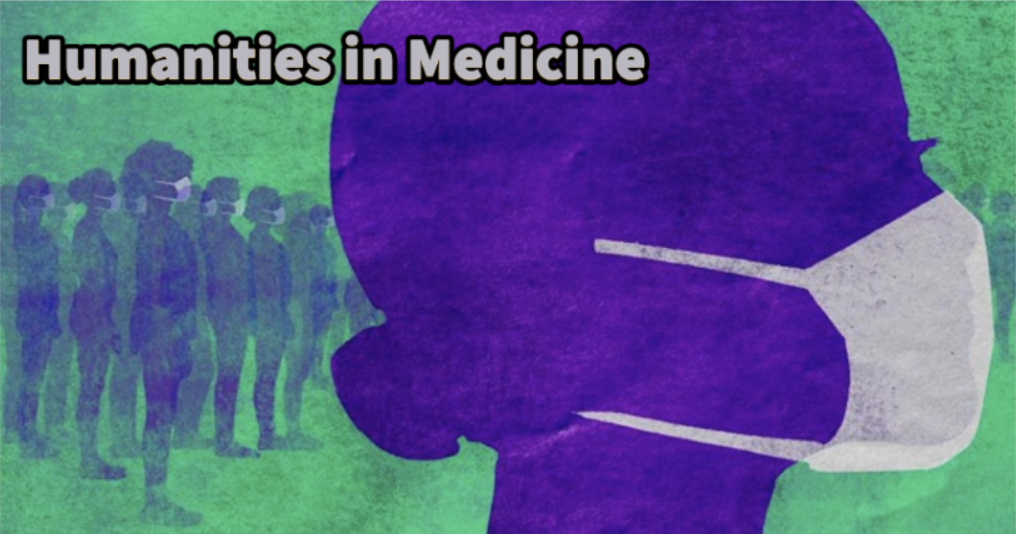
Humanities in Medicine
EMD Executive Blog Post 1
Bienvenido, bienvenue, hello and welcome to the website, www.elementarymydearmd.com, and the inaugural blog post of the Elementary My Dear Humanities in Medicine Podcast Experience.
My name is Dr. Michelle K. Watson, my pronouns are she/her/hers/ela/ella/elle, and as your bold, unabashedly intrepid host, I am pleased to have you accompany me on this sublime audio journey where the belief is that equity in medicine can be both evolutionary and revolutionary.
Our mission in healthcare is to include and stay divine, every single time.
I am thrilled to have you accompany me on this journey to educate, investigate, evaluate, and create an open think tank for solutions necessary for achieving healthcare equity for BIPOC populations around the world.
First and foremost, some basic facts about me and how this project had been conceptualized over the years and finally brought to fruition.
I am a Violet, meaning-
My alma mater, is New York University, NYU.
As a part of my education in the violet dominion prior to attending medical school,
I was fortunate to have been educated by exceptionally prolific Departments of Psychology, Psychobiology, Psychiatry, and Neural Science.
A substantial portion of the amazing education I received at NYU included the blessing via grants and awards to conduct research at the NYU School of Medicine, now known as the NYU Grossman School of Medicine at the NYU Langone Medical Center.
In my formative academic years, I was allowed access to the vast library system at NYU, local and international, to conduct my research affairs and fulfill those requirements. As I read medical journals, interacting with the wonderful librarians there, I discovered that I actually enjoyed evaluating these studies and learning more about medical research science.
I could not stop reading.
Not only did I read about my assigned topics, but I also frequently perused the stacks, unearthing other types of journals with even more nuanced, and “niched” areas of focus concerning medicine and healthcare.
I called this digging in the stacks.
I was completely hooked, spending hours in the libraries, digging in the stacks, throughout the NYU system.
In time while doing this, I amassed well over 20 years of some of the most unusual, off the beaten path material in healthcare.
Why this do you ask?
And why now?
Well:
Health disparities have many causes, including:
- Unequal access to health care and other resources needed to stay healthy
- Unequal treatment within the health care system
and
- The physical and mental health consequences of BIPOC populations experiencing racism and discrimination continuously, without abatement
While these have been longstanding, recalcitrant problems,
They are not intractable.
There are ways to reduce and even eliminate disparities, and we will be discussing this right here in this podcast series.
What are the causes of disparities in healthcare?
Why do disparities exist?
We will now establish some definitions that will be adhered to throughout this podcast series.
According to the National Academy of Sciences and the Institute of Medicine (IOM) as requested by United States Congress:
Healthcare refers to the continuum of services provided in traditional healthcare settings-
Including medical clinics, hospitals, community health centers, hospices, nursing homes, other ancillary medical facilities, as well as home-based care.
The term healthcare services refers to the provision of preventive, diagnostic, rehabilitative, and/or therapeutic medical or health services to individuals or populations. This encompasses both physical and mental health services.
For the purposes of this podcast, discrimination refers to differences in care that result from biases, prejudices, stereotyping, and uncertainty in clinical communication and decision-making. I acknowledge that this is one that is limited in scope; as there are other, broader definitions incorporating a focus on intent to discriminate or on the disparate impact of discrimination.
Disparities in healthcare are defined as ethnic and racial differences in the quality of healthcare that are not due to access-related factors or clinical needs, preferences, and appropriateness of intervention.
With basic definition housekeeping out of the way, let’s get into this:
Racial and ethnic health disparities have many causes.
These include unequal access to health care and other resources that influence health, as well as unequal treatment within the health care system and the psychological and physiological effects of racism and discrimination.
Compared to their white counterparts, BIPOC (Black Indigenous or Other Persons of Color) patients are more likely to live in poorer health and to die younger.
Black and Latinx individuals have poorer health outcomes than white counterparts, including higher rates of asthma, obesity, diabetes, cancer, inflammation, heart disease, cerebrovascular accident or stroke, hypertension, and infant and maternal mortality. BIPOC communities tend to experience a disproportionate burden of chronic and infectious illness, with a subsequent higher associated overall mortality.
Due to systemic, and structuralized inequities that have been well documented historically, BIPOC populations have endured racism within American society and internationally for centuries. Studies conducted over time have been consistent in concluding that racism not only impacts social stratification, but also the ability of BIPOC individuals to be healthy—both mentally and physically. This burden—a burden that is indeed inescapable for black and brown people in this country—causes-
African Americans, AAPI, Native American, Indigenous, Middle Eastern, and Latinx populations specifically-
To die prematurely and experience chronic illnesses and mental health challenges at higher rates than white Americans.
Minority beneficiaries of publicly funded health programs are less likely to receive quality healthcare. Research indicates that those enrolled in publicly funded managed care plans are less likely to access services after mandatory enrollment in an HMO compared with whites.
Nearly 14 million Americans are not proficient in English, and as many as one in five Spanish-speaking Latinx individuals reports not seeking medical assistance due to language barriers.
In a study of the availability of opioid supplies, it was revealed that only one in four pharmacies located in predominantly non-white neighborhoods carried adequate supplies, in comparison to 72% of pharmacies in predominantly white neighborhoods.
Similar findings were yielded in some of the earliest studies looking at the impact of racism on the health of African Americans by University of Michigan public health researcher Arline Geronimous. After looking at biological factors associated with exposure to stressors, Geronimous hypothesized, in what is also referred to as the weathering hypothesis, that-
African Americans experienced profound health deterioration because of those stressors. Geronimous examined the allostatic load scores—that is, the cumulative wear and tear on the body’s system brought on by the repeated adaptation to stressors-for adults aged 18–64 years.
African Americans specifically were found to have higher scores than white Americans.
Once again, poverty was ruled out as a factor, due to the fact that the higher allostatic loads existed among African Americans of various socioeconomic backgrounds. Geronimous concluded that racism, and the burden of coping with it across the lifespan, leads to differences in health among African Americans and white Americans—including the onset of chronic illness and premature death.
In addition to instigating poor health outcomes among BIPOC individuals, racism also creates barriers to economic opportunity and uneven access to health care. Even the health care system itself perpetuates racism and bias toward BIPOC persons.
This has been well documented with examples, including differences in pain management and treatment of BIPOC patients when compared to whites experiencing the same health conditions.
The use of African Americans’ and Native American’s bodies in unauthorized, unconsented medical experimentation, and racial bias in health algorithms for the purpose of guiding health decisions and assessing health care costs.
Actions like these have led to a general mistrust of the healthcare system within the BIPOC community. Racism cannot be divorced from the other social factors outlined, which give reason to the fact that BIPOC persons are disproportionately affected by them.
Due to residential segregation, majority African American and Latinx areas are more likely to lack hospital and other healthcare providers and medical ancillary supports. This fact was made crystal clear to the public during the Coronavirus pandemic when Elmhurst Hospital, a facility under the NYCHHC umbrella, experienced a seemingly disproportionate deluge of patients in comparison to other medical centers.
It has been said before, and I’ll say it again here:
Location, location, location is as important to access to healthcare as it is to real estate.
Therefore, time and place matters.
In the Institute of Medicine (IOM) report, Measuring the Quality of Health Care:
Quality of care is defined as the degree to which health services for individuals and populations increase the likelihood of desired health outcomes and are consistent with current health knowledge.
I personally dislike this definition secondary to the fact that a decent portion of this so-called “current health knowledge” in relation to BIPOC populations is based upon the faulty foundations of stereotyping, preconceived notions, and erroneous medicine of the plantation variety.
I advise you all to stay locked into this podcast journey as we discuss these issues.
Together, as a community.
When health care providers are located within majority African American and Latinx neighborhoods, they tend to offer lower-quality care.
When health care centers are located within majority African American and Latinx neighborhoods, they tend to have extended wait times, cancelled appointments, and provide primary medical care by non-physician support staff.
Often, people of color find themselves relying heavily on:
- Community health centers
- Urgent care centers
- Emergency rooms
- Outpatient care
And other Community-based providers due to the lack of available physician primary care and mental health providers in a given geographic area.
Minority patients are less likely to benefit from a consistent relationship with a physician primary care provider, even when insured at the same levels as white patients, due to the relative lack of providers located in their immediate communities.
Traveling outside of the immediate geographic area to access health care may be an option for some people, yet this can be a challenge, and costly due to lack of access to transportation for those with limited incomes or for those living in rural areas.
Certain social factors, also referred to as social determinants of health, have important implications for health risk and the ability to attain health insurance coverage.
Poverty, income inequality, wealth inequality, food insecurity, and the lack of safe, affordable housing are just a few.
The institutionalized racism that permeates American life is an important social factor leading to poor health outcomes and economic disadvantage among BIPOC persons, because not only is it a stressor, but it impacts who gets what in America, and where, particularly in relation to health care.
Of course, the inappropriateness of physician behavior, particularly when it is specifically informed by the capably corrupted hands of racism.
For example, there is a substantive body of published research confirming that:
Racial and ethnic minorities are less likely to receive even the most routine medical procedures and intensive care than are white Americans.
Inadequately treated and managed diabetes mellitus in minorities can result in more expensive complications, such as end stage renal disease requiring dialysis or kidney transplantation. Even when this is the case, these patients are still less likely to receive peritoneal dialysis and kidney transplantation.
African Americans, AAPI, Native American, Arab American, and Latinx patients are less likely to receive appropriate cardiac medications, or to undergo coronary artery bypass surgery, or CABG.
Minority patients are less likely to receive the appropriate cancer diagnostic tests, treatments, and analgesics.
In terms of infectious disease, like HIV and AIDS-
African Americans are the least likely of all patients to receive:
- Antiretroviral therapy
- Prophylaxis for pneumocystic pneumonia
- Protease inhibitor medications
This disparity in particular remains steadfast, even when adjusting for age, gender, education, CD4 cell count, and insurance coverage.
That was just a mild overview.
It is imperative, however-
That BIPOC communities, who have a history, of zero involvement in the conversations concerning them swirling around them,
Get in front of the issues of diversity, equity, and inclusion.
Creating their own dialogues, discourses, and resolutions.
Owning them, before the socially dominant culture does it for them.
It is also of importance that the institutions of medicine and health value, acknowledge, and leverage the abundant sociocultural resources.
As well as the multiplicity and breadth of human experiences existing in traditionally marginalized communities.
Cultural plurality should not acquiesce to cultural assimilation.
The Elementary My Dear Humanities in Medicine project repertoire will endeavor to cultivate an expansive fund of knowledge concerning medical inclusivity, and to be the architect of a culturally sustainable infrastructure of benefit to healthcare institutions internationally.
Informed, culturally relevant content.
Custom-created and curated with sensitivity for an informed listener base.
For a more informed future.
I am Dr. Michelle K. Watson, innovator, producer, host, and creator of the Elementary My Dear Humanities in Medicine Podcast Experience. Join me on this audio revolution for a new episode every month on all major podcast hosting platforms.
Yes, I do things and view the world quite differently than many doctors do.
This is public health and medicine done my way.
I am definitely not the stereotypical, straitlaced doctor.
And I don’t need to be.
In the face of a pandemic, medical professionals and healthcare experts need to reach an expansive audience
That desperately needs them, their expertise, their services, and is seeking their assistance.
To meet them where they are at, and not the other way around.
60% of millennials do not have a designated primary care physician.
Or GP, as it is referred to by our friends across the pond in the UK.
In a country like America, with a plethora, a veritable panoply of resources,
This is outrageous.
Let healthcare professionals help them to develop healthy routines today-not when it is too late.
BIPOC communities stand to make significant gains if health reform is done correctly. The issues briefly outlined earlier in this podcast paint a grim picture. Regardless of the progress made in recent decades, far too many BIPOC individuals still struggle to lead healthy and economically secure lives. This is due to the long-standing effects of racism, marginalization, and discrimination, which touches all members of BIPOC nations, regardless of socioeconomic status. These effects can be reversed, but it will take real commitment, teamwork, and systemic change.
The reality of persistent racial inequities tears at the social fabric of nations and undeniably contributes to the gulf of understanding between racial, ethnic, and socioeconomic groups.
Health care reform must be part of the effort.
Informed, culturally relevant content.
Custom-created and curated for an informed listener base.
For a more informed future.
Elementary my dear listeners.
I am Dr. Michelle K. Watson, innovator, producer, host, and creator of the EMD HIM Podcast Experience. Join me on this audio revolution for a new episode every month on all major podcast hosting platforms.
Don’t forget to like, share, subscribe, and comment.
At the information listed in the description area.
If you wish to donate to support and contribute to the Elementary My Dear Humanities in Medicine Podcast Experience revolution, becoming a supporter and benefactor to the creation of avant-garde content of exceptional quality, again, feel free to do so at the information listed in the podcast episode description area, or on this website, www.elementarymydearmd.com.
Pertinent hashtags include:
#livewellwithdrmichelle
#learnwellwithdrmichelle
#laughwellwithdrmichelle
#bewellwithdrmichelle
#emdexecutive
I thank you for allowing me through this audio podcast experience, to be of service to you.
This is Dr. Michelle K. Watson, signing off, wishing all of you a safe and equitable life journey.
Until we meet again.
For the next episode in this revolution.
Evolve safely.
Be the change you want to see in the world.
Namaste.
REPORT AN IMPOSTER Privacy Policy Terms of Use Engagement Booking
Copyright © 2023 EMD Executive Enterprises, LLC/The Humanities in Medicine Podcast Experience/Dr. Michelle K. Watson. All Rights Reserved.
By using elementarymydearmd.com and its subdomains, you agree to the privacy policy and terms of use.